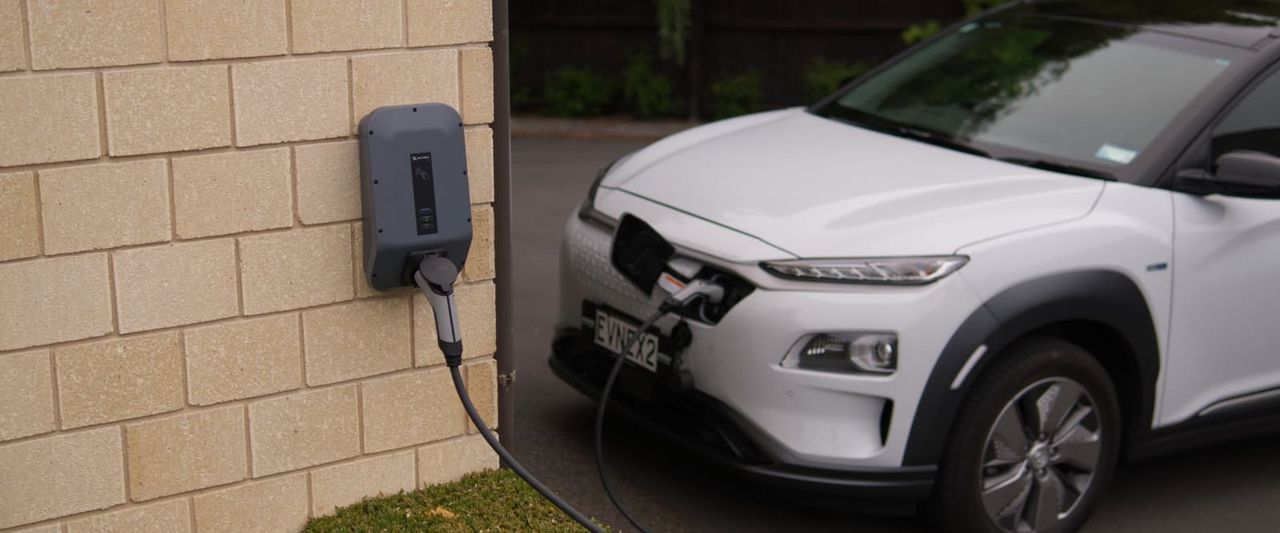
Short answer: an electric van or ute is worth it when it covers plenty of predictable kilometres, charges cheaply overnight at home or the yard, and rarely tows heavy loads a long way. It pays the same road user charges as a diesel, so the saving comes from energy and servicing. New EVs, and imports that are new to New Zealand, can also earn the 20% Investment Boost deduction.
If your current van is getting tired and you’ve caught yourself scrolling electric options at 10pm, you’re not alone. The trouble is that most of what you read is written for families buying a car, not for a sparky running three jobs a day or a florist doing deliveries across town. So let’s talk it through properly — like we would over a coffee — and be honest about where electric shines and where it doesn’t.
What kind of work suits an electric van?
Start with how the vehicle actually gets used, not what’s on the brochure. An EV tends to work well for your business when:
- Your days are predictable. Same suburbs, similar distances, back at base each night.
- You can charge overnight off-street — at home, at the yard or at your premises — rather than relying on public chargers.
- You do lots of stop-start driving. Urban deliveries and short hops between jobs are where electric is at its most efficient.
- The vehicle sits idle at a job site. No engine idling to keep tools or a fridge running off a battery that’s sized for it.
It’s a harder call when:
- you tow a heavy trailer or carry near-maximum payload over long distances — towing cuts range noticeably, and some electric utes and vans have lower towing ratings than their diesel cousins;
- your work takes you through rural areas with few fast chargers, or over the Desert Road in winter;
- you can’t charge off-street and would be paying public fast-charging prices every day.
A useful test: look back at your logbook or fuel receipts for the last three months. If your longest normal day sits comfortably inside the vehicle’s real-world range with a buffer for cold mornings and a full load, you’re in good territory.
Do electric vans pay road user charges?
Yes — and this is the bit that catches people out. Light electric vehicles lost their exemption on 1 April 2024. According to NZTA’s RUC rates page, a light vehicle (up to 3,500 kg) pays $76 per 1,000 km, and plug-in hybrids pay $38 per 1,000 km. On top of that there’s an administration fee of $12.44 each time you buy a licence online, or $13.71 at an agent’s counter — so buying bigger blocks less often saves a little.
Here’s the thing most comparisons skip: a light diesel van already pays the same $76 per 1,000 km. If you’re replacing a diesel, RUC is a wash. The difference comes down to what you pay for electricity versus diesel, and lower servicing — no oil changes, fewer moving parts, and regenerative braking that’s gentle on pads.
If you’re replacing a petrol vehicle, it’s different. Petrol vehicles pay fuel excise at the pump instead of RUC, so you’ll need to add RUC into your EV numbers. Longer term, the Ministry of Transport says the government is “working towards transitioning the petrol fleet to RUC”, though no date has been set.
Planning something bigger? Heavy electric vehicles, over 3,500 kg, are set to start paying RUC from 1 July 2027.
What tax help is there for an electric work vehicle?
There’s no rebate any more. The Clean Car Discount finished at the end of 2023, and nothing has replaced it.
Investment Boost is the big one. For eligible assets first available for use on or after 22 May 2025, you can claim 20% of the cost as an upfront deduction, then depreciate the remaining 80% as usual. There’s no cap on the value. IRD’s guidance on what you can claim sets out the key rules:
- the asset must be new, or new to New Zealand — even if it was used overseas;
- second-hand assets sourced from within New Zealand don’t qualify;
- private use reduces the claim to match the business share.
That second point matters for EVs, because so many electric vans and cars arrive here as used imports. A used import that hasn’t been driven on New Zealand roads (beyond sitting on a dealer’s yard) can still be “new to New Zealand”. The same model bought from a Kiwi owner down the road can’t. Same vehicle, different tax outcome — so ask the dealer about its history here before you sign.
FBT may tilt further towards electric from 2027. A tax Bill currently before Parliament proposes splitting the FBT rate for vehicles into three, with electric the lowest, then hybrids, then petrol and diesel — intended to apply from 1 April 2027. The Bill also changes how vehicles are categorised for FBT, so if staff take a vehicle home, ask your accountant what the final rules mean for you.
What about charging — do I need to install a charger?
Most businesses end up with a wall charger at home or at the yard, because a standard socket is slow for a vehicle that does real kilometres every day. A few things to get sorted before the van arrives:
- Get a quote from a registered electrician — your switchboard and the distance from the board to the parking spot drive the cost.
- Check your power plan. Many retailers offer cheaper overnight rates, which is where the running-cost saving really lives.
- If you rent your premises, ask the landlord before anyone drills into a wall.
- Talk to your accountant about how the charger is treated. A new charger installed at your business premises is a depreciable asset too, separate from the van.
If the van goes home with an employee, agree in writing how home charging will be reimbursed so nobody’s out of pocket and the records are clean.
New, used or imported electric?
The same questions we’d ask about any vehicle apply here — we cover them in our guide to buying equipment new, used or imported. For EVs, add these:
- Battery health. Ask for a battery state-of-health report on any used EV. The battery is the expensive bit, and its condition decides the real range.
- Warranty. New EV batteries usually come with a separate, longer warranty than the rest of the vehicle. Check how much is left, and whether it transfers.
- Payload and towing. Batteries are heavy. Confirm the payload and braked towing figures on the compliance plate, not just the ad.
- Servicing. Make sure there’s someone in your region who can work on it.
- PPSR. As with any used vehicle, run a PPSR search so you don’t inherit someone else’s finance.
Weighing it up but not sure what you’d qualify for? Check your options here — it takes about a minute, with no credit check at the enquiry stage.
A worked example: a plumber swapping diesel for electric
This is an illustration, not a real client.
Tama runs a two-van plumbing business in Hamilton. One of his diesel vans is due for replacement, and the driver does about 25,000 km a year — mostly around the city, home every night, rarely towing.
He sets out the decision like this:
| Replace with diesel | Replace with electric | |
|---|---|---|
| RUC (25,000 km at $76 per 1,000 km) | about $1,900 a year | about $1,900 a year |
| Energy | diesel at the pump | mostly overnight charging at home |
| Servicing | oil changes, filters, more moving parts | fewer scheduled items |
| Upfront cost | lower | higher, plus a home charger |
| Investment Boost | yes, if new | yes, if new or new to NZ |
Because RUC is identical, Tama’s whole decision comes down to three numbers he can find himself: his power company’s overnight rate, what he currently spends on diesel, and his last year of servicing bills. When he runs them, the electric van costs more upfront but less every week. He chooses a near-new import that hasn’t been registered in New Zealand yet, so it still qualifies for Investment Boost, and he gets the home charger quoted at the same time so both are ready on day one.
What he doesn’t do is stretch the loan term well past how long he expects to keep the van. He sets repayments so they’re comfortably covered by the running-cost saving plus the van’s earnings.
How can you fund an electric work vehicle?
The same ways you’d fund any vehicle — the battery doesn’t change the basics:
- Unsecured business loan — for businesses trading six months or more, assessed mainly on turnover and bank statements. It isn’t tied to the vehicle, so it works for dealers, importers, auctions and private sellers alike, and it can cover the charger install too.
- Property-secured loan — from $20,000 up to $1m against New Zealand property, useful if you’re replacing several vehicles at once or bundling the van with a fit-out or tools.
- Dealer or asset finance — worth comparing, but read the total cost and the end-of-term conditions carefully. Our guide to the true cost of borrowing shows how to compare offers like for like.
Not sure whether to put property up? Our explainer on secured vs unsecured business loans walks through the trade-offs, and our page on buying equipment or a vehicle has more ideas.
When should you hold off?
Be straight with yourself. It’s probably not the moment if:
- your current vehicle is reliable and paid off, and the only reason to switch is that EVs feel like the future;
- you can’t charge off-street and public fast charging would eat the saving;
- your work involves heavy towing over long distances most weeks;
- the repayments would only work if every week is a good week.
Keeping a good diesel running another couple of years can be the smartest money move in the yard. Our guide on when not to borrow is worth five minutes before you commit.
Found the right van? Let’s sort the money side
Going electric is one of those decisions that pays off quietly — lower running costs every week, and possibly a healthy deduction at tax time — but only if the purchase is funded so the repayments sit comfortably inside what the van saves and earns. Whether it’s a brand-new e-van, a freshly landed import or a second-hand ute from a local seller, we’ll help you find funding that suits the vehicle and your cash flow.
Here’s what happens when you get in touch:
- It takes about 60 seconds to enquire, and there’s no credit check when you first enquire.
- Your details don’t get blasted out to a pile of lenders. No spray and pray — your phone won’t start buzzing with strangers.
- A real person looks at your situation — the vehicle, how your business trades and when you need it — and gives you a call.
- Please fill the form in accurately. Honest numbers mean we can line up the right option the first time.
Every loan is assessed on your own circumstances.
Ready when you are
Check your options in about 60 seconds
A few quick questions. Asking won't touch your credit file, your details go only to the specialist who suits your enquiry, and a real person reads every one.
Thanks, that's with us.
Keep your phone close: the specialist who suits your loan normally rings within a working day.
And if you do need funding…
That's where we come in. Tell us what's going on and we'll match you with a lender from our panel that fits — and tell you honestly if borrowing isn't the right move.
Quick questions
Do electric vans pay road user charges in New Zealand?
Yes. Light electric vehicles have paid RUC since 1 April 2024. NZTA lists the rate for a light vehicle at $76 per 1,000 km, plus an administration fee each time you buy a licence. Plug-in hybrids pay a lower rate of $38 per 1,000 km.
Can I claim Investment Boost on an electric van?
A new van used in your business can qualify for the 20% upfront deduction if it first became available for use on or after 22 May 2025. If it's also used privately, the deduction is scaled back to the business share. Second-hand vehicles sourced within New Zealand don't qualify.
Does an imported used EV qualify for Investment Boost?
It can. IRD's guidance says assets that are new to New Zealand qualify even if they were used overseas, as long as they haven't been used here. A vehicle that has only sat in a yard waiting to be sold is generally still new to New Zealand. Check the details with your accountant before you buy.
Is there still a government rebate for buying an EV?
No. The Clean Car Discount ended at the end of 2023 and hasn't been replaced. The main tax help for a business buying a new or newly imported vehicle now is Investment Boost.
Will FBT be cheaper on an electric work vehicle?
Possibly, from 1 April 2027. A tax Bill before Parliament proposes separate FBT rates for petrol and diesel, hybrid and electric vehicles, with electric the lowest. The same Bill also reshapes how vehicles are categorised, so ask your accountant how the final rules land for your vehicle.
Can I use a business loan to buy an EV from a private seller?
Yes. An unsecured or property-secured business loan isn't tied to the vehicle, so private sales and auctions can work. Do a PPSR search first, and get the battery's health checked before you pay.