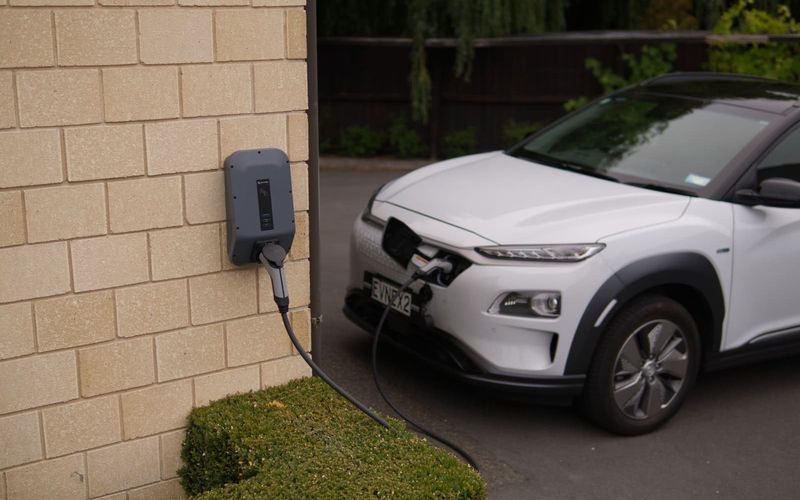
The real problem: good cars don’t wait
The best-value cars on New Zealand listings are often gone within days. If you’re still sorting finance when the seller gets another offer, you lose the car. That’s why we start with one question: have you found it yet?
- Found it. We need the price, who’s selling it and, ideally, the rego or the listing. The adviser can then check the car and the lending side at the same time.
- Still looking. Get an approval in principle first. You’ll know your realistic budget, and you can negotiate like a cash buyer.
How a car loan through LendFriend works
- You tell us the basics in about 60 seconds: the car, the amount, your work and take-home pay.
- A vehicle lending adviser calls you, usually the same working day. They compare lenders on their panel, from banks’ finance arms to specialist non-bank lenders.
- You get options with the total cost spelled out. Pick one, or walk away.
- The lender pays the seller (or the dealer) once the paperwork is done, and you drive off.
One enquiry means one conversation instead of filling in five lender forms. Every separate application can leave an enquiry on your credit file, so it pays to be matched first and apply once.
Secured or unsecured?
Most car loans are secured on the car itself. The lender registers its interest on the Personal Property Securities Register (PPSR) until the loan is repaid. Because the lender has security, secured car loans are usually cheaper and easier to get than unsecured personal loans.
An unsecured loan can make sense for an older car a lender won’t take as security, or when you want the car free of any registered interest. Expect a tighter credit check.
What lenders look at
New Zealand’s consumer lending law requires lenders to check that repayments are affordable for you. In practice that means:
- your take-home pay and how steady it is
- your regular bills and other debts
- your credit history with Centrix, Equifax or Experian
- the car’s age, value and condition, if it’s the security
You don’t need perfect credit. Lenders on an adviser’s panel range from mainstream to specialist, and some focus on people rebuilding after a default.
Where you’re buying changes the checklist
Buying from a registered dealer gives you protection under the Consumer Guarantees Act and access to the Motor Vehicle Disputes Tribunal. A private sale doesn’t, so your own checks matter more. We’ve written plain guides for the most common places Kiwis buy:
- Financing a car you found on Trade Me
- Buying through Facebook Marketplace
- Bidding at Turners or another car auction
- On a dealer’s yard and offered their finance
Ready to move? Start your enquiry and tell us what you’ve found.